The Role of High-Quality Vector Graphics in Professional Esports Branding
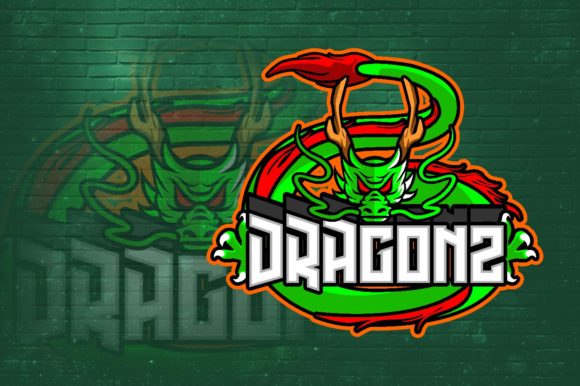
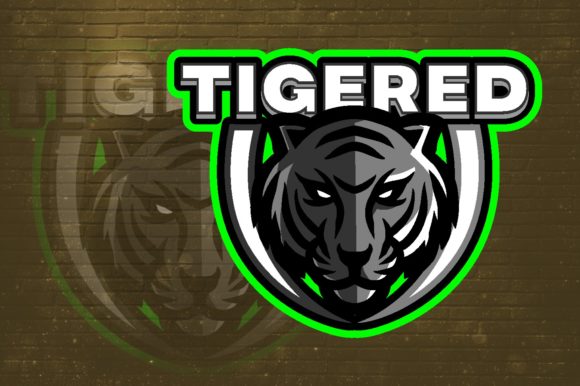
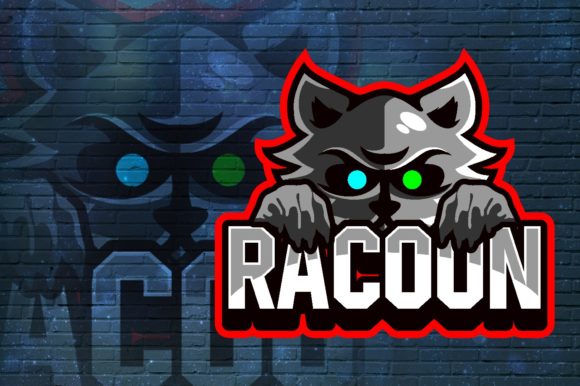
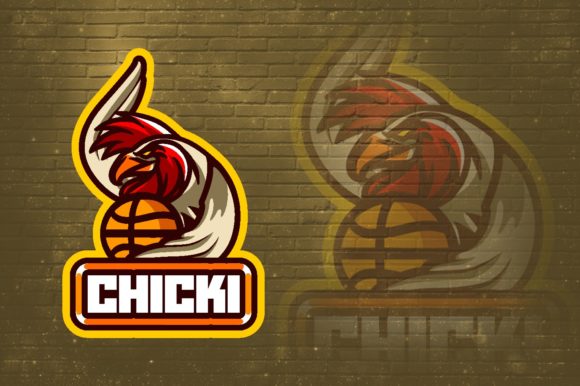
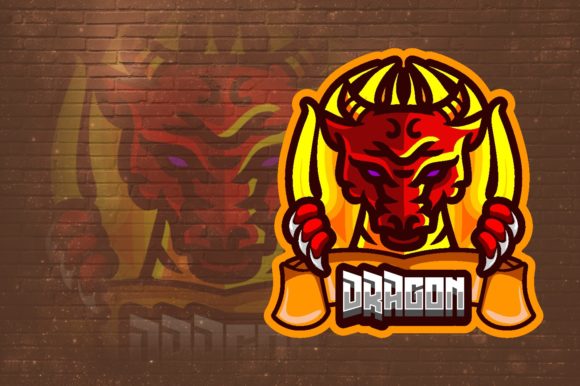
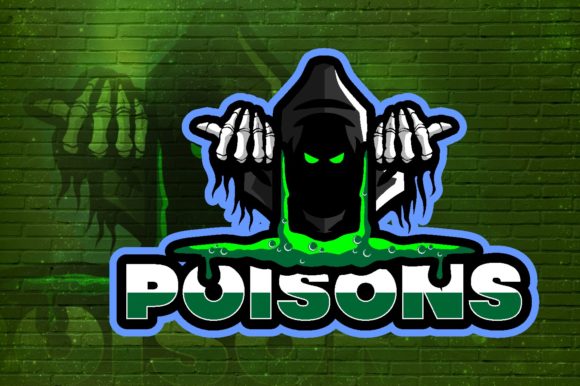
Establishing a visual identity is a foundational step for any gaming team or esports organization. A logo serves as the cornerstone of that identity, conveying professionalism, team ethos, and marketability. For those considering options in graphic resources, the E-Sport Logo Graphic bundle represents a specific category of asset: a professionally designed, fully editable vector graphic package tailored for competitive gaming purposes.
Understanding the Core Components of a Professional Logo Package
What distinguishes a comprehensive logo package from a simple image file is its utility in professional design workflows. The described E-Sport Logo Graphic includes several critical file formats. The .AI (Adobe Illustrator) and .EPS files are vector masters. Vector graphics, defined by mathematical paths rather than pixels, are infinitely scalable without loss of quality. This is essential for a logo that must appear crisp on everything from a tiny social media avatar to a large tournament banner.
The inclusion of a high-resolution .JPG at 4508px x 3000px and 300 DPI provides a ready-to-use raster file for contexts where vector support isn't available, such as some video editing software or quick web placements. The RGB color mode is the standard for digital displays, ensuring the logo's colors appear vibrant on streams, websites, and digital merchandise. The specification of editable color and text means the core design is a template, allowing teams to adapt the logo to their specific name and color scheme.
Comparing Asset Types: The Vector Versus Raster Decision
When evaluating logo resources, one primary comparison lies between vector-based packages and pre-made raster logos (like PNG or JPG only). A raster-only logo, even at high resolution, has fixed dimensions. Scaling it up will eventually lead to pixelation and blurring, which can damage brand perception. A vector-based option like the E-Sport Logo Graphic eliminates this technical limitation, offering long-term flexibility.
The tradeoff, however, often involves skill requirement. To fully utilize the .AI or .EPS files, one needs access to and basic knowledge of vector editing software like Adobe Illustrator. For a team with a dedicated designer or the willingness to hire one, this is a minor hurdle. For a group with no design resources, a raster logo might seem more immediately accessible, even though it sacrifices future adaptability.
Evaluating Fit for Different Esports Branding Scenarios
The suitability of a pre-designed, editable graphic package depends heavily on the stage and goals of the gaming entity. For a newly formed amateur team looking to establish a serious presence quickly, such a resource can be a significant accelerator. Instead of navigating the full custom design process, which can be time-consuming and costly, the team can acquire a professional-grade template and adapt it.
This approach has clear strengths: cost-effectiveness, speed, and a guaranteed level of design quality. The E-Sport Logo Graphic, with its specified features, provides a solid technical foundation. However, its limitation is inherent in its nature as a template. It may not offer the unique, bespoke symbolism that a fully custom logo designed around a team's specific story could achieve. For a major organization with significant branding budgets and a need for distinctiveness, a custom design process is usually the more appropriate path.
For many mid-tier teams, content creators, or event organizers, the editable package strikes a practical balance. It allows for a professional look while retaining control over core elements like team name and color. The ability to edit text and colors means the graphic can be adapted not just for a primary team logo, but also for sub-brands, event-specific versions, or merchandise lines, making it a versatile resource.
Practical Considerations in File Format Compatibility
A key decision factor when choosing any digital graphic asset is compatibility with your existing tools and workflows. The emphasis on Adobe Illustrator compatibility in the E-Sport Logo Graphic package is noteworthy. Illustrator is the industry-standard tool for vector design, and an .AI file ensures smooth, lossless editing. The .EPS file offers broader compatibility with other vector software, though editing capabilities might vary.
Users should realistically assess their software access. If they or their designer use alternative vector tools like Affinity Designer or CorelDRAW, the .EPS file becomes the primary master file. Testing file compatibility before final commitment is a prudent step. The included high-quality JPG acts as a universal fallback, ensuring the logo can be used immediately in almost any environment while the vector files are prepared for future scaling needs.
Tradeoffs Between Custom Design and Template Adaptation
The broader market for esports logos presents a spectrum from fully custom design services to stock logo templates. The E-Sport Logo Graphic sits in the latter category, but with a focus on esports aesthetics and technical readiness. The primary tradeoff between custom and template is one of originality versus efficiency and cost.
A custom logo is born from a collaborative design process. It can incorporate specific motifs, game-related imagery, or unique typography that tells the team's story. This process, however, requires more time, a higher budget, and clear communication between the team and the designer. The result is a wholly unique asset.
Adapting a high-quality template like the E-Sport Logo Graphic is inherently more efficient. The design elements are pre-conceived, and the work revolves around integration and modification. This can be perfect for teams that prioritize a professional look quickly and have a clear idea of the colors and name they want to insert. The risk is that the underlying design may be recognizable if used by others, potentially diluting brand uniqueness. For many, this is an acceptable tradeoff given the benefits of speed and technical quality.
The best-fit situation for a template graphic is often a team or project that needs a credible visual identity to launch operations, secure sponsorships, or build community recognition, without the upfront investment of a full custom project. It serves as a powerful stepping stone.
When to Consider Alternative Paths
While an editable vector package offers clear advantages, it may not be the right choice in all circumstances. If a team already has a strong, simple logo concept sketched out, commissioning a designer to create a vector version from that concept might be more direct than adapting a pre-built template with different artistic elements.
Similarly, if the required branding needs to be deeply integrated with a specific game character, weapon, or iconography not present in the template's design, a custom approach is necessary. Also, for organizations that require a full brand identity system—including logo variants, specific fonts, and color palettes—a single logo file, even a high-quality one, is just a starting component. They would need to look towards more comprehensive branding services or purchase additional coordinated graphic assets.
Ultimately, the decision hinges on balancing the need for unique identity with the constraints of resources, time, and technical capability. The E-Sport Logo Graphic package is a robust solution that addresses the technical and quality concerns decisively. It provides a scalable, editable, and professionally formatted asset that can elevate a team's visual presentation. By allowing modification of text and color, it grants a degree of ownership and customization. For the esports enthusiast or team manager weighing options, such a package represents a practical, informed choice when the priority is acquiring a technically sound and aesthetically competent logo foundation with the flexibility to grow alongside the team.